
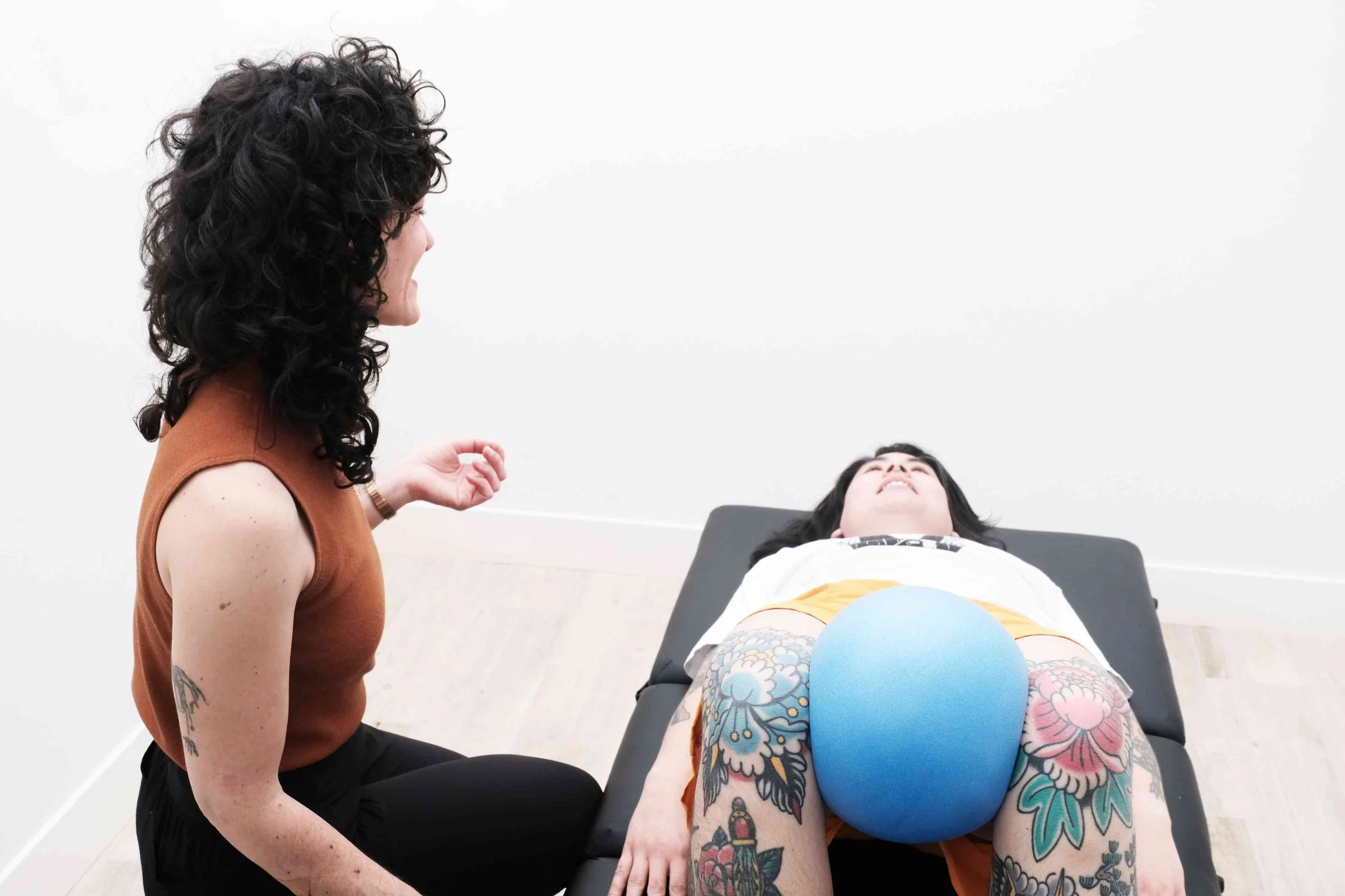
Clinical Pilates, strength, and movement for symptomatic hypermobility or people who need a little extra support in El Cerrito, CA.
It’s important to have options for people who are afraid of moving, frequently injured, or hypermobile and just need a little extra.
Strength isn’t something you can graduate from. Maintaining strength requires regular and continued movement and muscle overload. This might feel intimidating, but the right programming can set you up for success. Occupational therapists are trained specifically to help people navigate their daily behaviors and routines to help you stay on track.
Because of my broad experience and specialized education with experts in the field, I can help you navigate strength-training and set you up with a program that complements your specific symptoms and presentation.
Some of my favorite things to treat:
chronic pain
pregnancy-related pelvic girdle pain
pubic symphysis dysfunction or pubic bone pain
difficulty or pain with childcare tasks
hypermobility spectrum disorder (HSD) and hypermobile Ehlers Danlos Syndrome/hEDS
osteoporosis
diastasis recti or abdominal separation
sacroiliac pain or SI joint pain
scoliosis
hip replacements and knee replacements
non-surgical treatment of knee pain or meniscus issues
arthritis
nerve syndromes, like sciatica
jaw pain and teeth grinding
hormonal transitions like gender-affirming hormone therapy, postpartum, perimenopause, or menopause
plantar fasciitis
disc herniations
anxiety about exercise
anxiety about injury or re-injury
Staying motivated to build strength and keep moving can sometimes be a challenge.
This can be especially true when working through acute or chronic health concerns. My experience treating persistent pain is wide and varied. Everyone has their own unique relationship with pain and there are multiple avenues we can explore together to work toward managing your daily existence and reducing flare ups.
I appreciate the neuroscience of pain and how researchers are starting to understand the complex relationship between the body, the brain, the environment, and the pain we feel. I also appreciate your experience and values and always stand by the fact that you will always know more about your body than any healthcare provider ever could.
I’m here with gentle encouragement to help you stay motivated, work toward your goals, and strengthen your muscles in a way that feels right for you.
Common symptoms we see:
low back pain
hip pain
jaw pain
SI joint pain or sacroiliac joint pain
scar restriction after top surgery
body changes from hormonal transitions like perimenopause or gender-affirming hormone therapy
hEDS/Ehlers-Danlos Syndrome
hypermobility spectrum disorder
osteoporosis
insomnia
diastasis recti or abdominal separation
difficulty feeling abdominal muscles
pressure management for hernias
pain during pregnancy or postpartum pain
pregnancy-related pelvic girdle pain
pubic symphysis dysfunction or pubic bone pain
difficulty or pain with childcare tasks
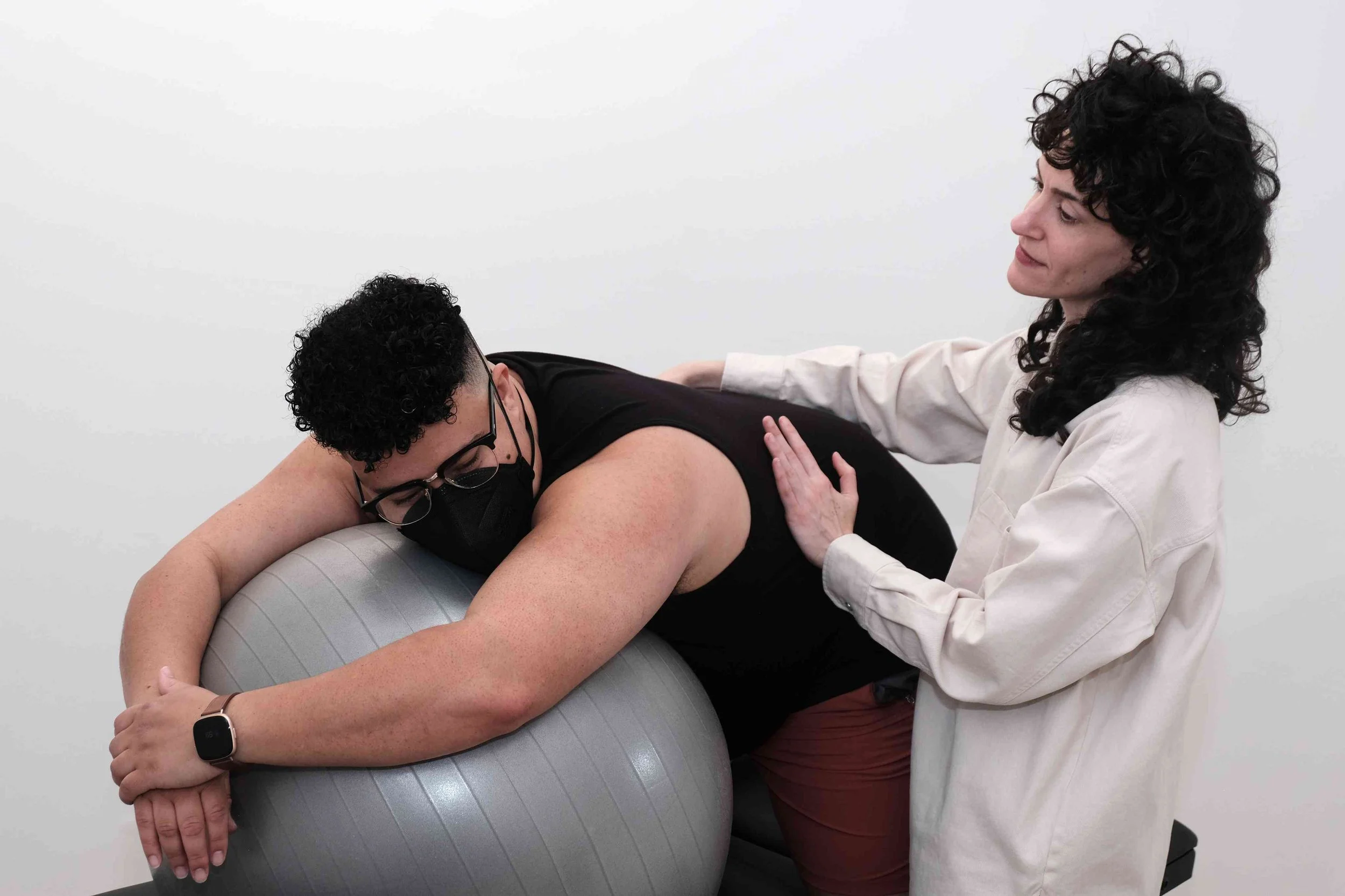
Frequently Asked Questions
-
We get it! It’s scary to start something new, especially if you’ve had experiences that haven’t felt right. Dr. Rebs is a highly trained specialist who has experience and competence working with people who have movement limitations and sensitive systems. They know how to slowly progress so movement feels safe and sustainable.
It’s also important to note that this doesn’t mean flare-ups never happen! We can do everything right and sometimes people still end up with some pain, soreness, or a muscle spasm. The important thing is that you will be prepared for this! Flare ups don’t mean you injured yourself or you need to take steps backwards. It’s just information. We welcome this type of feedback and will use it to tailor your sessions even more.
-
To streamline your care and avoid running out of time during your initial session, please fill out the intake paperwork and consent forms that are emailed to you before your appointment time. Please also wear clothes that allow you to comfortably move your body.
Your provider will spend some time at the beginning of your session asking questions about your goals, symptoms, habits, and health history so they can determine what types of physical assessments will be most beneficial.
The physical assessment usually involves asking you to move different ways and go through some basic range of motion and strength tests to establish your baseline.
After identifying contributing factors, we will create a personalized, evidence-based care plan to help you return to your best self.
-
Wear something comfortable that you can move in! Sometimes it can help to avoid super baggy clothes so your movement can be better visualized, but the most important thing is your own comfort.
Please also wear socks or bring some with you!
-
This totally depends on your goals. I see some Pilates clients weekly for many years if they like using the equipment, need the weekly motivation to stay active, and/or appreciate the guidance offered during private sessions. Some people only come in for a few visits and we develop a home program that we periodically update. It’s totally up to you.
-
Hypermobility means your joints move beyond the typical range of motion. When this contributes to pain, fatigue, joint instability, or difficulty with everyday activities, it's called symptomatic hypermobility. You don't have to be unusually flexible to experience symptoms because our joints can stiffen over time. Care can help you build strength, improve coordination, and feel more comfortable in your body in a way that feels safe and attainable.
Symptomatic hypermobility can also come with other overlapping conditions like POTS, MCAS, and dysautonomia because connective tissue isn’t only around your joints. Some people experience symptoms involving the digestive system, bladder, pelvic floor, skin, or autonomic nervous system (which helps regulate functions like heart rate and blood pressure). These symptoms can have multiple contributing factors, and not everyone with hypermobility will experience them. Understanding how these systems interact can help us take a more comprehensive approach to your care.
-
Not really. What we do here focuses on the relationship between body awareness, movement, symptoms, and everyday function. We incorporate principles from pain science and nervous system regulation, but it isn't a substitute for psychotherapy or mental health treatment.
-
Yes! It can be one part of a comprehensive approach to persistent pain. Pain is influenced by so many factors: the nervous system, past experiences, your biology and tissues, physical demands and readiness, and the context or environment in which symptoms occur.
Somatic approaches can guide you through exploration of movement, pattern recognition, and gradual progression toward building confidence. We can also make a pain flare plan because flares can happen even when we do everything right!
-
Rebs has taken comprehensive coursework through the EDS Society ECHO courses for healthcare professionals that has covered topics like: pain, fatigue, cardiac dysautonomia, gastrointestinal dysfunction, neurological manifestations like dizziness and headaches, overlap between neurodivergence and hypermobility, upper cervical instability (CCI), orofacial and jaw/TMJ dysfunction, and specific nervous system approaches.
Rebs also has lived experience managing their own symptoms of hypermobility.
-
We have a 24 hour cancellation policy. If you do not cancel before this, you will be charged the full appointment amount. If you are unable to attend your session, we will offer you a virtual session so we can stay on track and continue making progress toward your goals.
-
No! You don't need a diagnosis to get started. Whether you're experiencing joint pain, pelvic floor symptoms, persistent pain, or suspected hypermobility, we can work together to understand what's going on and develop a plan based on your needs and goals. If a medical diagnosis or additional evaluation would be helpful, we can discuss how to get that too.
You do not need a referral to make an appointment.
-
You’re welcome to book an appointment for pilates or health coaching, but Soft Power is not contracted with Medicare and we cannot see Medicare beneficiaries for covered services like occupational therapy. Pilates and health coaching are not skilled healthcare services.